Deutsches Zentrum für Luft- und Raumfahrt (DLR – German Aerospace Center)
06.15.2019
Dear colleagues,
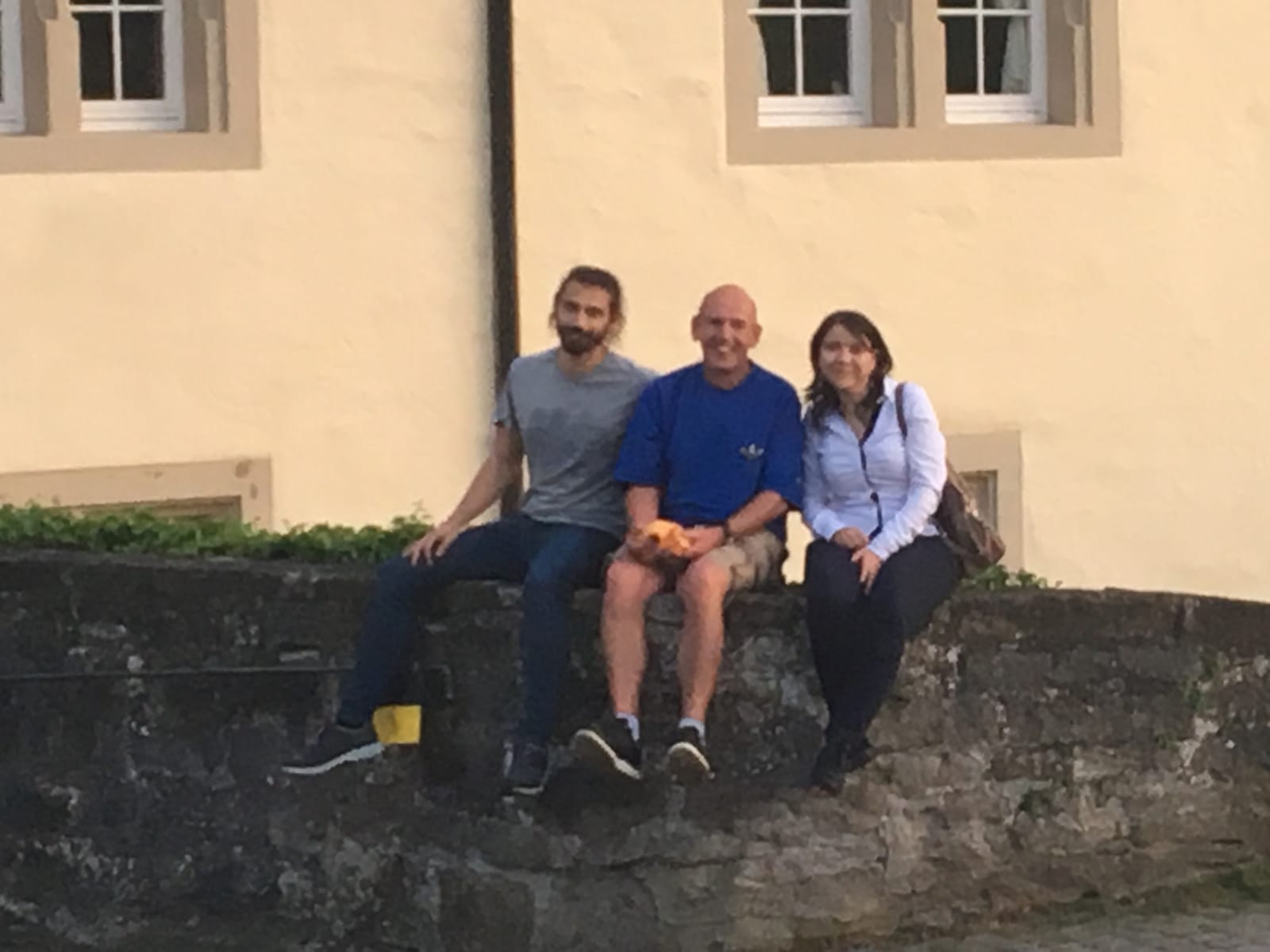
We are pleased to inform you that our two PhD students of the Quantum Electronics and Plasma Physics Research Group (which is the research side of the #MasterCBRN), Valentina Gabbarini and Riccardo Rossi, had the possibility to stay 4 weeks at the Deutsches Zentrum für Luft- und Raumfahrt (DLR – German Aerospace Center) in Lampoldshausen (Hardthausen, Germany). In this period, they have cooperated with the researchers of the Atmospheric Propagation and Effect Department of the DLR Institute of Technical Physics, led by Dr. Frank Duschek. Our students and some DLR researchers worked together to study, develop and implement new technologies for the detection and classification of biomolecules and hazardous biological agents.
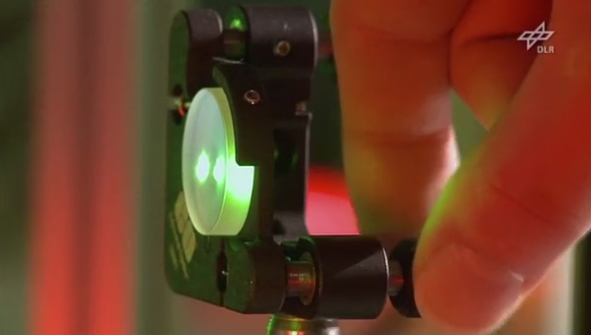
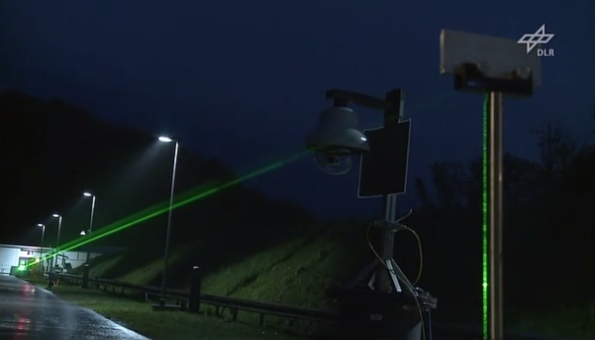
The strong cooperation with Dr. Frank Duschek, and with the DLR in general, is of huge importance for us since they are doing relevant work in the CBRNe fields. The development of a laser system for contactless detection of explosives is just one of the last important goal achieved by Dr. Duschek and his team.
In the next days, the DLR and the University of Rome Tor Vergata, in the framework of our International CBRNe Master Courses, will sign a Memorandum Of Understanding (MOU), which expects new researchers and students exchanges, project collaborations and so on.
Within the umbrella of this fruitful cooperation, started with the 1st Scientific Conference on CBRNe (SICC 2017), Dr. Duschek became also a Member of the Didactic Board of the CBRNe Master Course. He provides his knowledge and expertise in the field of standoff detection of chemical, biological and explosive hazards through laser based spectroscopy, mainly focused to defence and security applications, to evaluate mature and new technologies and to advise and train end users.
We want to thank Frank for his great effort and willingness to cooperate with us and make junior researchers exchange possible even in the future.
A special thanks also to all the Members of the Frank Duschek’s Lab of the Institute of Technical Physics for sharing their skills with us.
We trust that the established partnership can be renewed in the occasion of future collaborations to achieve mutual goals in the field of CBRNe detection.
Photogallery